Soft Wash vs. Pressure Wash: What’s Safest for Oklahoma City Siding
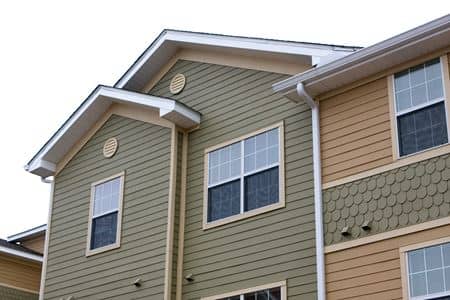
Oklahoma wind, red dirt, and storm season are tough on home exteriors. If you are weighing soft washing against pressure washing in Oklahoma City, the right choice protects curb appeal and prevents damage to vinyl, cedar shake, brick, stucco, and painted wood.
Why The Right Method Matters For Siding In Oklahoma City
Our climate brings high UV, gusty days, and spring storms that drive dust and organic growth into every seam. Algae and soot tend to cling to shaded North and East walls from Edmond to Mustang and Midwest City. Using too much pressure can scar finishes and push water behind panels, which invites rot and warping over time. High pressure can force water where it should not go, which is why siding needs a gentler approach most of the time.
If your home has wood shakes, learn why a delicate touch is essential by reviewing our approach to cedar shake siding cleaning. The same low-pressure principles help preserve other premium materials, too.
What Is Soft Washing For Siding
Soft washing uses controlled low pressure paired with carefully chosen solutions to loosen grime at the molecular level. The water stream is gentle, so it does not blast off paint or force water behind siding. Technicians work in sections and let chemistry do the heavy lifting, then rinse at low pressure to leave a clean, even finish. This method shines on delicate surfaces and textured profiles where high pressure would scar or shred the surface.
Because soft washing treats the root of organic stains, the clean often lasts longer. That matters in local trouble spots like shaded sides along the tree lines in Nichols Hills and The Village, where algae can return fast if it is only pushed around by pressure.
What Is Pressure Washing For Siding
Pressure washing relies on higher PSI to cut through stubborn grime. It is useful on certain hard surfaces when set up correctly by a trained pro, and it can be part of a siding project for a careful final rinse on very durable materials. The risk comes when the pressure is too high or the tip is too close. That can etch brick faces, scar stucco, lift paint, or drive water into the wall system.
Never use high pressure on cedar shake or aging vinyl, because it can splinter wood and crack panels. If pressure is used at all on siding, it should be limited, well-controlled, and paired with the right detergents and wide fan tips.
Material-By-Material: The Safest Choice
- Cedar shake: Soft wash only. Gentle application protects the wood grain and sheds growth from overlapping shakes.
- Vinyl: Soft wash recommended. Low pressure avoids cracking and keeps water out of the weep holes.
- Fiber cement: Soft wash with controlled rinse. Protects paint and prevents water intrusion at joints.
- Painted wood lap: Soft wash preferred. Safeguards paint film and caulk lines.
- Stucco: Soft wash with care around hairline cracks. Avoids pitting and streaking.
- Brick veneer: Soft wash plus low-pressure rinse. Preserves mortar while removing red dirt and algae.
Each surface has its limits, and the safest plan accounts for age, paint condition, and sun exposure. Soft washing helps protect paint and caulk lines on fiber cement and painted wood, which keeps the look consistent across large walls.
Local Factors That Change The Equation In Oklahoma City
Red dirt staining: Our soil’s fine iron-rich particles bond to textured siding, especially on the windward West walls in Yukon and Bethany. Soft washing breaks that bond instead of grinding the dirt deeper with pressure.
Storm debris and soot: Spring and fall fronts push grit and soot into laps and seams. Gentle, longer dwell times allow a low-pressure rinse to flush seams without flooding them.
Sun fade and brittle panels: Older vinyl around Moore and Del City can become chalky and brittle. Lower pressure prevents surface gouging and keeps oxidized layers from streaking down the wall.
Oklahoma winds can drive rinse water sideways into seams. A pro will wash with the laps, not against them, and keep pressure low so water does not get behind the siding. That protects insulation and reduces the chance of musty odors indoors after a storm.
How Pros Protect Your Home During Siding Cleaning
Careful prep sets the stage for a safe, clean. Professionals shield outlets, cameras, and door sweeps, and they pre-wet plants so solutions do not linger on leaves. They also test a small, hidden area to dial in the mildest mix that will still break the stain bond. During rinsing, they angle the spray downward with a wide fan to keep water flowing away from seams and windows.
- Pre-inspection notes caulk gaps, popped nails, and peeling paint, so nothing gets worse during washing.
- Low-pressure, high-volume rinses move contaminants off the wall without forcing water inside.
- Final walk-around confirms even results with no tiger stripes, etching, or residue on glass.
That attention to detail is the difference between a short-term shine and a healthy exterior that lasts through our windy season.
When To Schedule Siding Cleaning In Oklahoma City
Most homes benefit from a professional siding cleaning once a year, with touch-ups on shaded or windward sides as needed. Spring is popular after oak pollen and storm run-off, and early fall is smart before winter sets in. Scheduling outside the peak heat helps solutions dwell evenly and reduces the risk of flash drying on darker colors. Homes near busy roadways or construction often need attention sooner because soot and dust build faster on textured siding.
If your home has natural wood accents, align cleanings with your maintenance cycle for stain or sealant so you can start with a fresh, contaminant-free surface.
Comparing Results: Clean That Lasts Without Damage
The goal is not just bright walls. It is a stable envelope that resists moisture after the next thunderstorm rolls across the metro. Soft washing targets organic growth so it stays gone longer, which helps keep paint, caulk, and flashing performing as designed. That means fewer callbacks for spot cleaning and more time enjoying the yard.
Homeowners who want a trustworthy, all-in-one experience often start at the hub for pressure washing in Oklahoma City and then choose the right specialty service for their specific siding. That path keeps the method and the material matched from the first inspection to the final rinse.
The Right Fit For Each Siding Type
Let the siding’s material tell you which method to use. For cedar shake and other delicate profiles, a gentle soft wash is the safest route, period. For brick veneer and very durable, well-sealed surfaces, a technician may use low pressure as part of the rinse only, not as the main cleaning force. On aging vinyl or fiber cement, the goal is to remove stains without lifting the paint film or forcing water into laps, which is why soft washing leads the way in most Oklahoma City neighborhoods.
Because every house is different, crews adjust solution strength based on stain type, shade, and the wall’s heat load from the sun. This flexible approach gives even results on complex facades with mixed materials.
Signs Your Siding Needs Professional Attention
Watch for these signals around your property, especially after windy weeks or heavy rain:
- Green or black streaks reappearing quickly on shaded sides
- Orange-red film near the base of the walls from red dirt splash-back
- Chalky residue on your fingers when you touch painted or vinyl panels
- Uneven bright spots where someone used high pressure too close
If you notice any of these, it is time for a safe, low-pressure clean before stains set in deeper.
Case For Soft Washing On Premium Siding
Premium materials deserve premium care. Cedar shake, fiber cement, and painted wood look best when the surface is left intact and protective films are not disturbed. Soft washing works with those layers instead of against them. It is also friendlier to landscaping because the water volume is lower and the flow is easier to control around beds and patios. On multi-story homes in places like Edmond and Nichols Hills, the gentler method reduces overspray and keeps windows cleaner during the process.
Using the lowest effective pressure while letting solutions do the work is the safest way to restore curb appeal without risking damage. It is a smart strategy for long-term maintenance in a city where the wind rarely takes a day off.
The Bottom Line: Which Method Should You Choose
For most Oklahoma City homes, soft washing is the safest and most consistent choice for siding. Properly controlled pressure has a place for select rinsing on very durable materials, but it should never be the star of the show on wood shakes, vinyl, or stucco. When in doubt, choose the gentler path and protect the wall system you rely on to keep weather and dust outside.
Want a deeper look at how pros handle wood exteriors without splintering or fraying edges? See the process behind our cedar shake siding cleaning to understand what a true low-pressure approach looks like from start to finish.
Choose A Safer Clean That Lasts
Ready to make the safest choice for your siding and protect your home’s value? Call Sooner State Softwash LLC at (405) 496-3164 or schedule cedar shake siding cleaning right now to get a gentle, long-lasting result that stands up to Oklahoma weather.